
Quick Summary
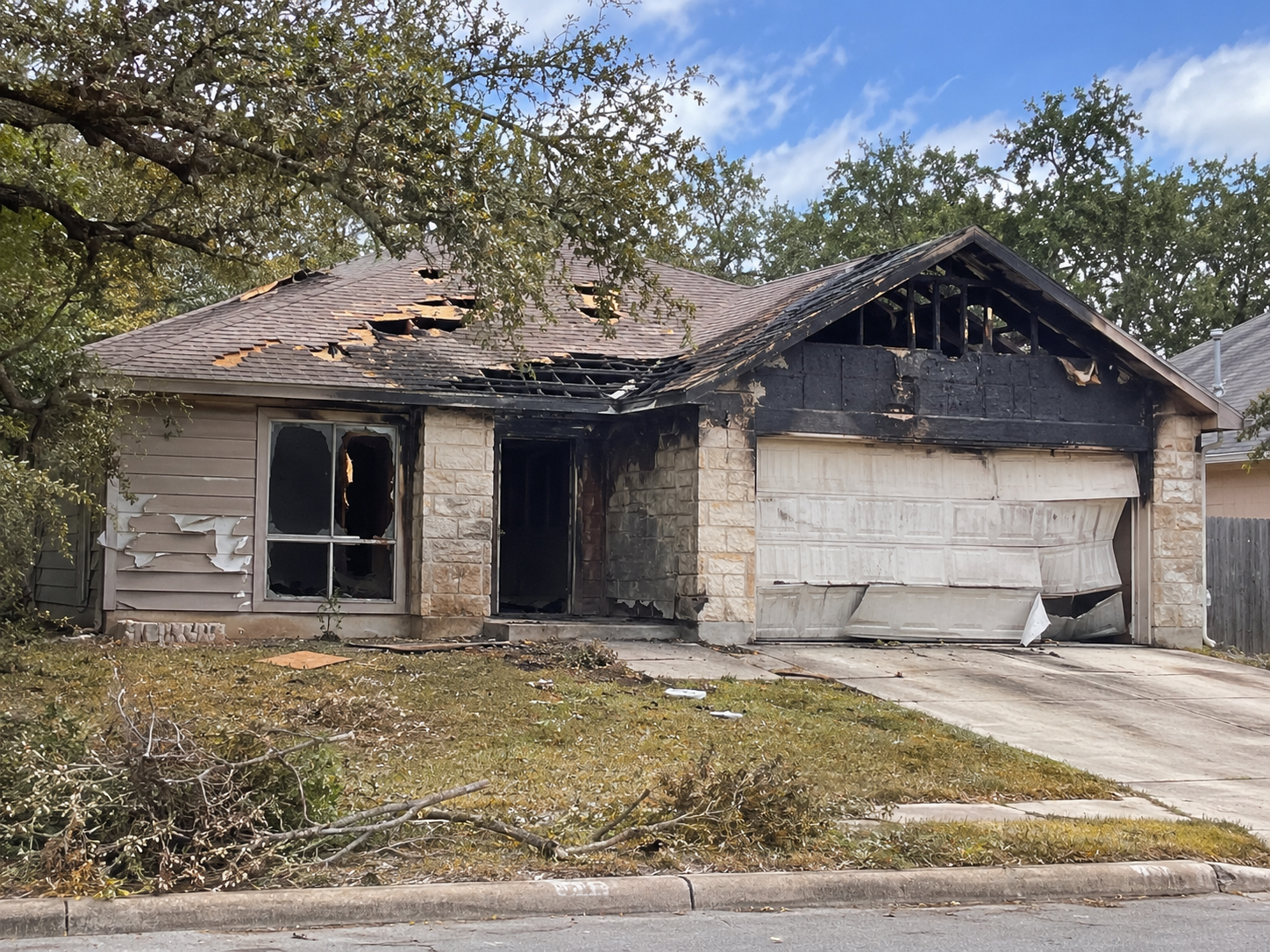
Yes, you can sell a damaged house as-is in Texas, whether the damage is from fire, storm, water, foundation issues, or long-term neglect — there’s no legal requirement to repair a property before selling it. The main decision is who you sell to: a traditional retail buyer financing with a mortgage will usually require repairs or a steep price reduction, while a cash buyer who specializes in as-is purchases can close without requiring any repairs at all. Understanding how damage actually affects an offer, what disclosure obligations still apply, and whether insurance proceeds play a role can help you decide the right path.
In This Article
- Yes, You Can Sell As-Is — Here’s What That Actually Means
- Common Types of Damage That Lead to an As-Is Sale
- Why Traditional Buyers Struggle With Damaged Houses
- How Damage Actually Affects a Cash Offer
- What You Still Have to Disclose
- Insurance Claims and Selling: How They Interact
- Repair vs. Sell As-Is: Running the Numbers
- What the As-Is Sale Process Actually Looks Like
- A Realistic Timeline
- Mistakes Homeowners Make Selling a Damaged House
- A Quick Example
- Frequently Asked Questions
- How Cornerstone Property Buyers Can Help
A house fire, a burst pipe, hail damage to the roof, or foundation problems that have been put off for years can leave a homeowner wondering whether the property can even be sold in its current condition. The short answer is yes — Texas law doesn’t require a house to be repaired before it’s sold, and there’s an entire segment of the real estate market built specifically around buying homes exactly as they sit. The real question isn’t whether you can sell a damaged house, it’s which path makes sense for your specific situation.
Yes, You Can Sell As-Is — Here’s What That Actually Means
Selling “as-is” means the buyer agrees to purchase the property in its current condition, with no expectation that the seller will make repairs, upgrades, or even cosmetic fixes before closing. This is a completely standard, legal way to sell real estate in Texas, and it’s especially common for houses with fire, water, storm, or structural damage, as well as homes that simply have significant deferred maintenance.
Selling as-is doesn’t eliminate your disclosure obligations (more on that below), and it doesn’t mean every buyer will be interested — but it does mean you’re not on the hook to fix anything before you can legally close a sale.
Common Types of Damage That Lead to an As-Is Sale
Fire damage is one of the most common reasons homeowners look into an as-is sale, since even a contained fire often causes smoke and water damage throughout the house, not just in the room where it started. Storm damage — hail-damaged roofs, wind damage, or fallen trees — is common across Texas given the state’s severe weather patterns. Water damage from a burst pipe, a failed water heater, or long-term roof leaks can cause mold and structural issues that are expensive to fully remediate. Foundation problems, common in parts of Texas with expansive clay soil, can also make a house difficult to sell through a traditional financed sale, since foundation issues are a frequent reason mortgage lenders or appraisers flag a property.
Whatever the specific cause, the common thread is the same: repairing the damage to a move-in-ready standard would cost real money and time that the homeowner may not have, or may not want to spend on a property they’re ready to part with.
Why Traditional Buyers Struggle With Damaged Houses
Most traditional homebuyers finance their purchase with a mortgage, and mortgage lenders generally won’t approve a loan on a property with significant visible damage or major systems (roof, foundation, electrical, plumbing) in poor condition, since the house itself is the collateral for the loan. An appraisal that flags serious damage can stall or kill a financed deal entirely, even if the buyer is otherwise motivated and willing.
Beyond financing, most traditional buyers are also looking for a home they can move into without a major renovation project, which narrows the realistic buyer pool for a damaged property considerably and often means a longer time on market even once it’s listed.
How Damage Actually Affects a Cash Offer
A cash buyer who specializes in as-is purchases evaluates the property based on its current condition and the estimated cost to bring it up to a sellable or rentable standard, then factors that repair cost into the offer. This means the offer will generally be lower than what the house might fetch fully repaired and listed on the open market — but it also means no financing contingency, no appraisal to worry about, and no need to spend money or time on repairs before selling.
The exact discount depends on the severity and type of damage: cosmetic or moderate damage (a dated kitchen, a leaky roof that hasn’t caused structural issues yet) typically affects an offer less than significant structural, fire, or extensive water damage that requires remediation and rebuilding.
What You Still Have to Disclose
Texas law generally requires sellers to disclose known material defects about a property, even in an as-is sale — selling as-is affects who’s responsible for repairs, not whether you have to tell a buyer about problems you know about. Disclosure requirements and exact forms can vary depending on the specific transaction and buyer, so it’s worth confirming with a real estate attorney or your buyer exactly what’s expected in your situation, particularly if the damage involves something like a past fire, mold, or foundation repair history.
Being upfront about known damage up front, rather than letting a buyer discover it during their own inspection, generally makes for a smoother transaction regardless of which type of buyer you’re selling to.
Insurance Claims and Selling: How They Interact
If the damage resulted from an insurable event (fire, storm, certain types of water damage), you may have an active or already-settled insurance claim on the property. Depending on your policy and claim status, you may be able to sell the house as-is and either keep remaining claim proceeds or, in some cases, assign unused claim benefits to the buyer as part of the transaction — the specifics vary significantly by insurance policy and claim stage, so this is worth discussing directly with your insurance company or an attorney before finalizing a sale.
If you’ve already received insurance proceeds and used them toward a partial repair or for other purposes, that doesn’t prevent you from selling the house in its current condition — a cash buyer can simply factor the home’s actual current condition into their offer regardless of what insurance did or didn’t cover.
Repair vs. Sell As-Is: Running the Numbers
Before deciding, it’s worth actually running the comparison: get a rough repair estimate from a contractor, compare that cost (plus the time it will take) against the likely increase in sale price a fully repaired home would command on the open market, and weigh that against a cash offer on the house as it sits today. For some homeowners, especially those with significant equity and the cash or time to manage a renovation, repairing first and listing traditionally produces a stronger net outcome. For others — particularly those without the cash to front repairs, who are dealing with extensive damage, or who simply want to move on quickly — an as-is cash sale nets out better once the cost, time, and stress of a renovation project are factored in.
There’s no single right answer here; it depends heavily on your specific financial situation, the extent of the damage, and how much time and energy you’re able to put into managing a repair-then-sell process.
What the As-Is Sale Process Actually Looks Like
With a direct cash buyer, the process typically starts with a walkthrough or photos of the property so the buyer can assess the damage and current condition, followed by a cash offer that reflects that condition. If you accept, there’s generally no appraisal contingency and no financing to wait on, so the transaction can move to closing on a timeline that works for you rather than being dictated by a lender’s process.
This is a meaningfully different experience than listing with an agent, where the house would typically need to be cleaned up, staged, and photographed for showings — steps that can be difficult or impossible with significant fire, water, or structural damage still present.
A Realistic Timeline
Repairing a damaged house before a traditional sale can take anywhere from several weeks for moderate repairs to many months for extensive fire or structural damage, plus the typical weeks-to-months timeline of listing and closing a financed sale afterward. An as-is cash sale, by contrast, can often close in a matter of weeks from first contact, since there’s no repair work, staging, or buyer financing to coordinate around.
The right timeline for you depends on whether speed or maximizing sale price is the higher priority given your specific circumstances.
Mistakes Homeowners Make Selling a Damaged House
A common mistake is spending money on partial repairs that don’t meaningfully change a buyer’s perception of the property’s condition — a fresh coat of paint doesn’t offset a fire-damaged roof structure, for example. Another is listing a damaged house traditionally without first confirming that financing will even be available to likely buyers, which can lead to a listing sitting unsold for months while repeatedly falling through at the financing stage. A third is not getting multiple repair estimates before deciding between repairing and selling as-is, which can lead to over- or under-estimating what repairs would actually cost and recover in sale price.
A fourth mistake is assuming all as-is cash offers are the same — it’s worth understanding how a specific buyer arrives at their number and what, if anything, is negotiable, rather than simply accepting the first offer without any comparison.
A Quick Example
Say a homeowner’s house suffers significant fire damage in the kitchen and attic, with smoke damage throughout. Rebuilding to a sellable, financeable condition would cost a substantial amount and take months, money the homeowner doesn’t have readily available. Selling as-is to a cash buyer lets them close within a few weeks, walk away with funds in hand, and avoid managing a lengthy, expensive renovation on a house they no longer want to own.
Now say a different homeowner has a house with an outdated kitchen and bathroom and a roof nearing the end of its life, but no acute structural or fire damage. That homeowner might reasonably decide that modest repairs and a traditional listing would net more money, since the gap between “dated but livable” and “move-in ready” is smaller and less expensive to close than true structural or fire damage would be.
Frequently Asked Questions
Can I legally sell a house with fire or storm damage in Texas?
Yes. There’s no legal requirement to repair a house before selling it — you just need to find a buyer willing to purchase it in its current condition, which as-is cash buyers specialize in.
Do I have to disclose the damage to a buyer?
Generally yes — Texas disclosure requirements typically require sellers to disclose known material defects, even in an as-is sale. Confirm the specifics with a real estate attorney for your situation.
Will a cash offer be lower because of the damage?
Usually yes, since the offer factors in the estimated cost of repairs the buyer will need to make — but it also comes without the cost, time, or uncertainty of making those repairs yourself.
Can I sell if I still have an open insurance claim?
Often yes, though the specifics depend on your policy and claim status — check with your insurance company or an attorney about how an open claim affects a sale before moving forward.
Is it better to repair the house first or sell as-is?
It depends on the extent of damage, your available cash and time, and how much a full repair would realistically increase sale price — there’s no single right answer, and running the actual numbers for your situation is worth doing before deciding.
Can a mortgage buyer purchase a damaged house?
Sometimes, but significant damage often causes appraisal or lending issues that can stall or kill a financed sale, which is why damaged houses are more commonly sold to cash buyers.
How fast can an as-is cash sale close?
Often within a few weeks from first contact, since there’s no repair work, staging, or buyer financing to wait on.
What types of damage are typically accepted for an as-is sale?
Fire, water, storm, foundation, and general deferred-maintenance damage are all common — as-is buyers generally evaluate each property’s specific condition rather than ruling out categories of damage outright.
Do I need to clean up or remove debris before selling as-is?
Generally no — “as-is” typically means exactly that, including debris or damage left from the event itself, though it’s worth confirming with your specific buyer what they expect to see during a walkthrough.
Will I get a fair price for a damaged house?
A fair cash offer accounts for the property’s actual condition and the real cost of repairs — it won’t match a fully-repaired retail price, but it should reflect the home’s current value, not an arbitrary lowball.
Can I sell a house that’s currently vacant because of the damage?
Yes — a vacant, damaged house can be sold as-is just like an occupied one. In fact, a vacant property can sometimes make the sale process simpler, since there’s no need to coordinate around tenants or occupants during a walkthrough or closing.
What if the damage happened a long time ago and was never fully repaired?
Older, long-standing damage — a roof leak from years ago, foundation settling that was never addressed — can still be sold as-is the same way recent damage can. A cash buyer will evaluate the property’s current condition regardless of when the original damage occurred.
How Cornerstone Property Buyers Can Help
If you’re dealing with a fire, storm, or water-damaged house and don’t want to manage repairs before selling, Cornerstone Property Buyers can provide a no-obligation cash offer based on the property’s current condition — no repairs, no cleanup, and no staging required. See selling a fire-damaged house or learn more about how we buy houses.
Get a fair cash offer in 24 hours — no repairs, no fees, no obligation.
Get My Cash Offer → Or call: 210-920-7915